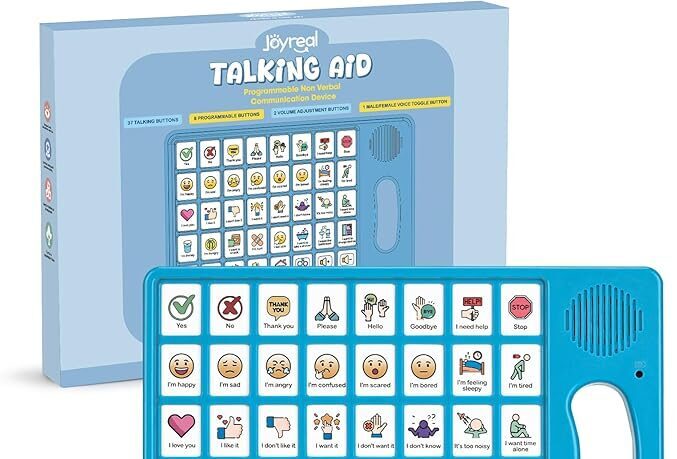
In today’s classrooms and learning environments, supporting neurodiverse learners with sensory processing needs is crucial for fostering inclusion and maximizing educational success. Sensory equipment can play a significant role in helping these students regulate their sensory input, maintain focus, and engage more effectively with their surroundings. Here are six essential sensory equipment suggestions designed to support neurodiverse learners:
- Weighted Lap Pads and Blankets
Weighted items provide deep pressure stimulation, which can have a calming effect on the nervous system. Lap pads and blankets are especially helpful during seated activities, offering comfort and reducing anxiety without distracting from learning tasks.

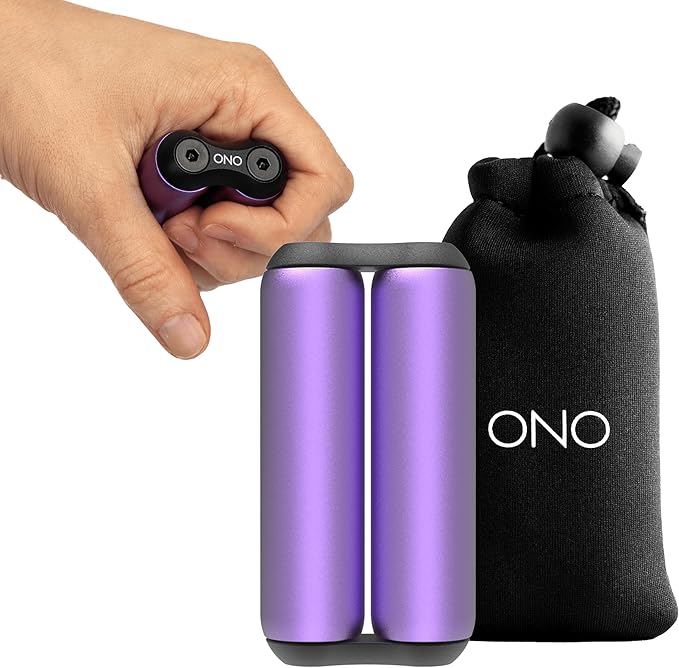
2. Fidget Tools
Fidget tools come in various shapes and textures, such as spinners, cubes, and textured rings. These tools allow learners to channel their need for movement in a quiet, non-disruptive way, helping to improve concentration and reduce restlessness.
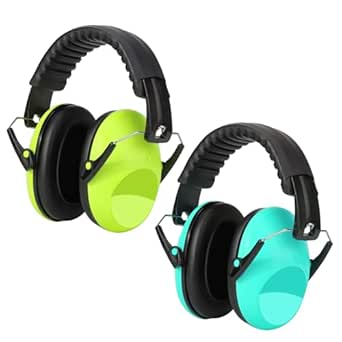
3. Noise-Cancelling Headphones
Many neurodiverse learners are sensitive to auditory stimuli. Noise-cancelling headphones help block out distracting background noise, enabling students to focus better during lessons or independent work time.
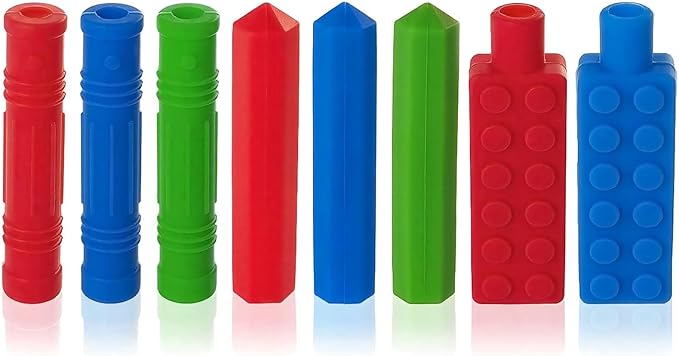
4. Sensory Chew Necklaces and Chewable Pencil Toppers
Oral sensory tools like chew necklaces or pencil toppers provide safe outlets for learners who seek oral stimulation. These items help reduce anxiety and increase attention by meeting sensory needs in a socially acceptable way.
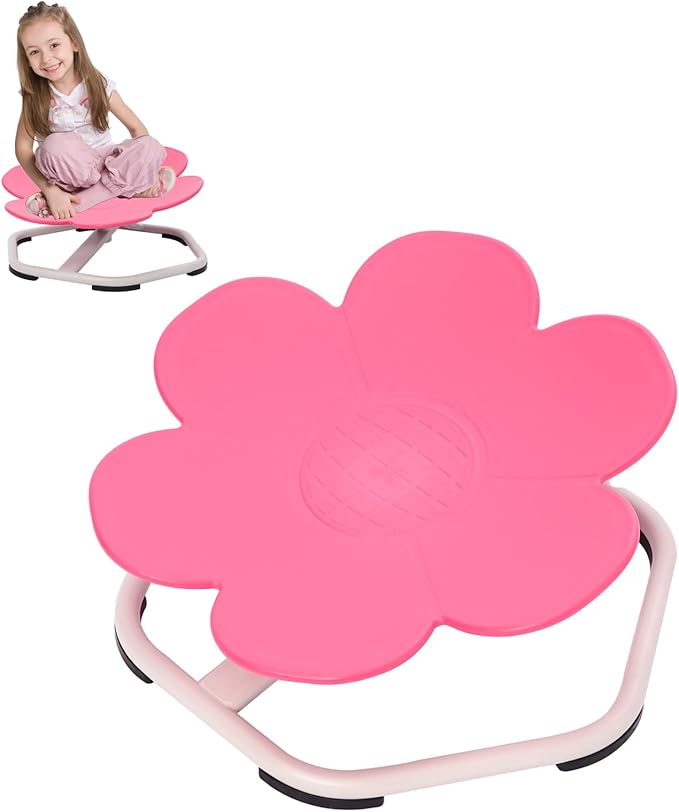
5. Balance and Rocking Equipment
Items such as balance boards, therapy balls, or rocking chairs promote vestibular input, which can improve body awareness and regulation. Incorporating movement breaks with these tools can help learners return to tasks feeling more focused and calm.
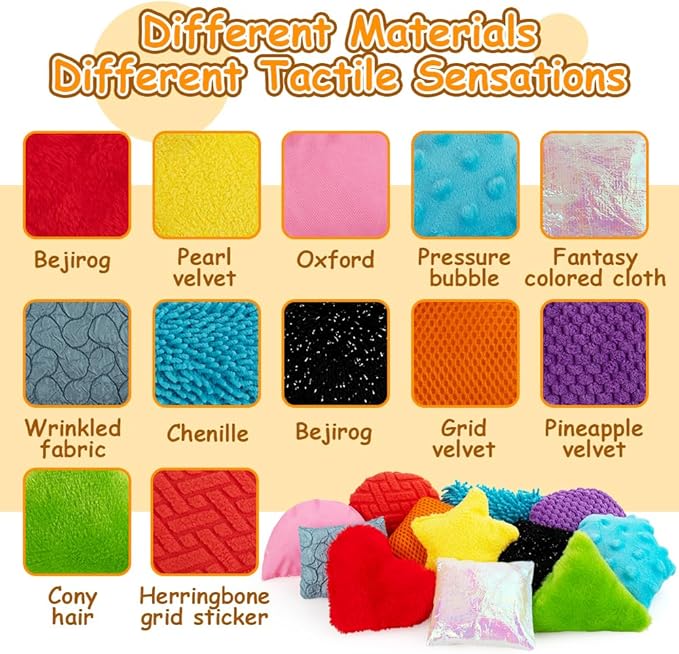
6. Tactile Sensory Bins and Textured Materials
Sensory bins filled with materials like rice, beans, or sand, and textured mats or stress balls offer rich tactile experiences. These tools engage the sense of touch, providing opportunities for sensory exploration and fine motor skill development.
Incorporating these sensory equipment options into learning spaces can make a meaningful difference for neurodiverse learners. By addressing sensory needs thoughtfully, educators and caregivers can create supportive environments where every student has the chance to thrive.