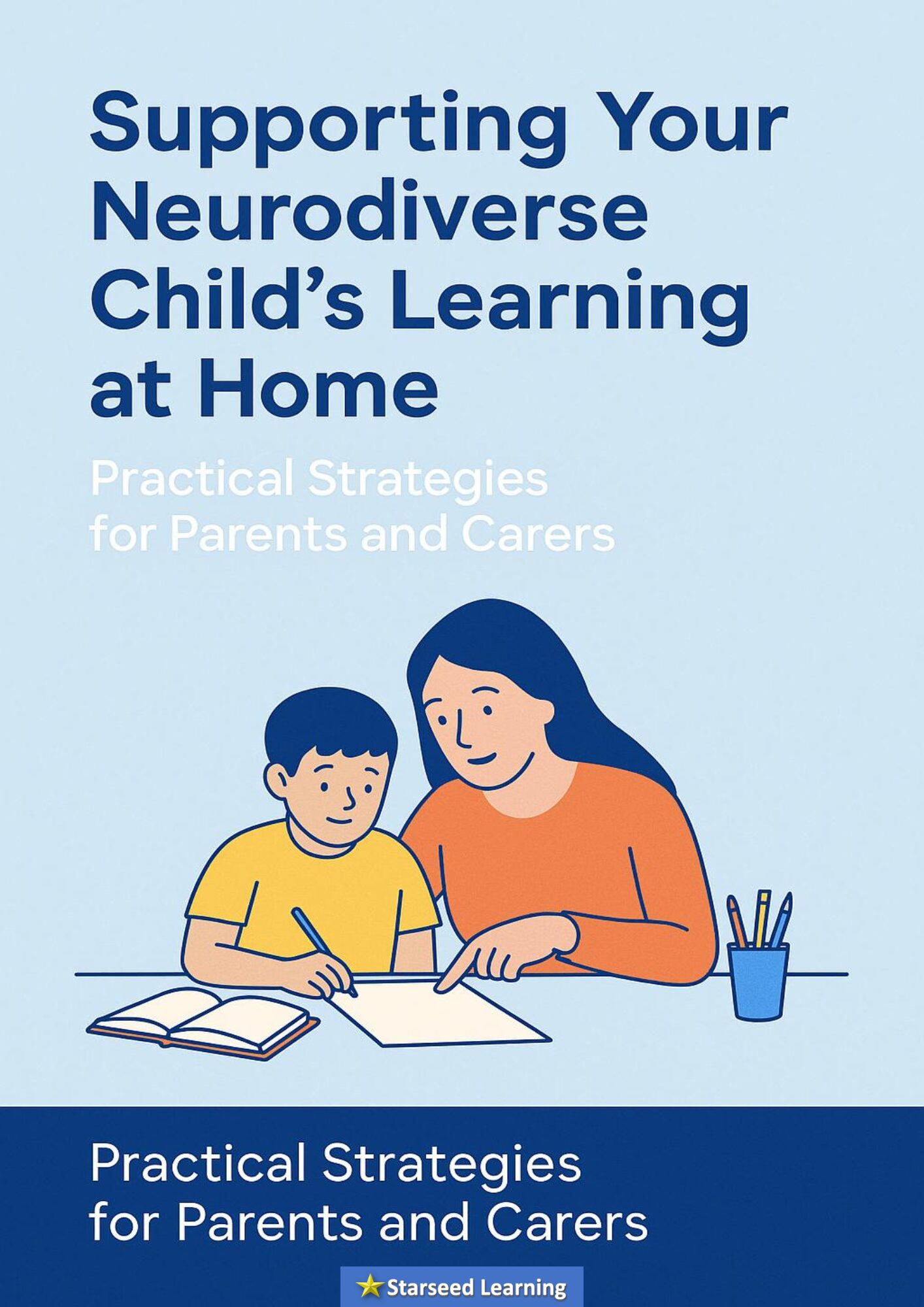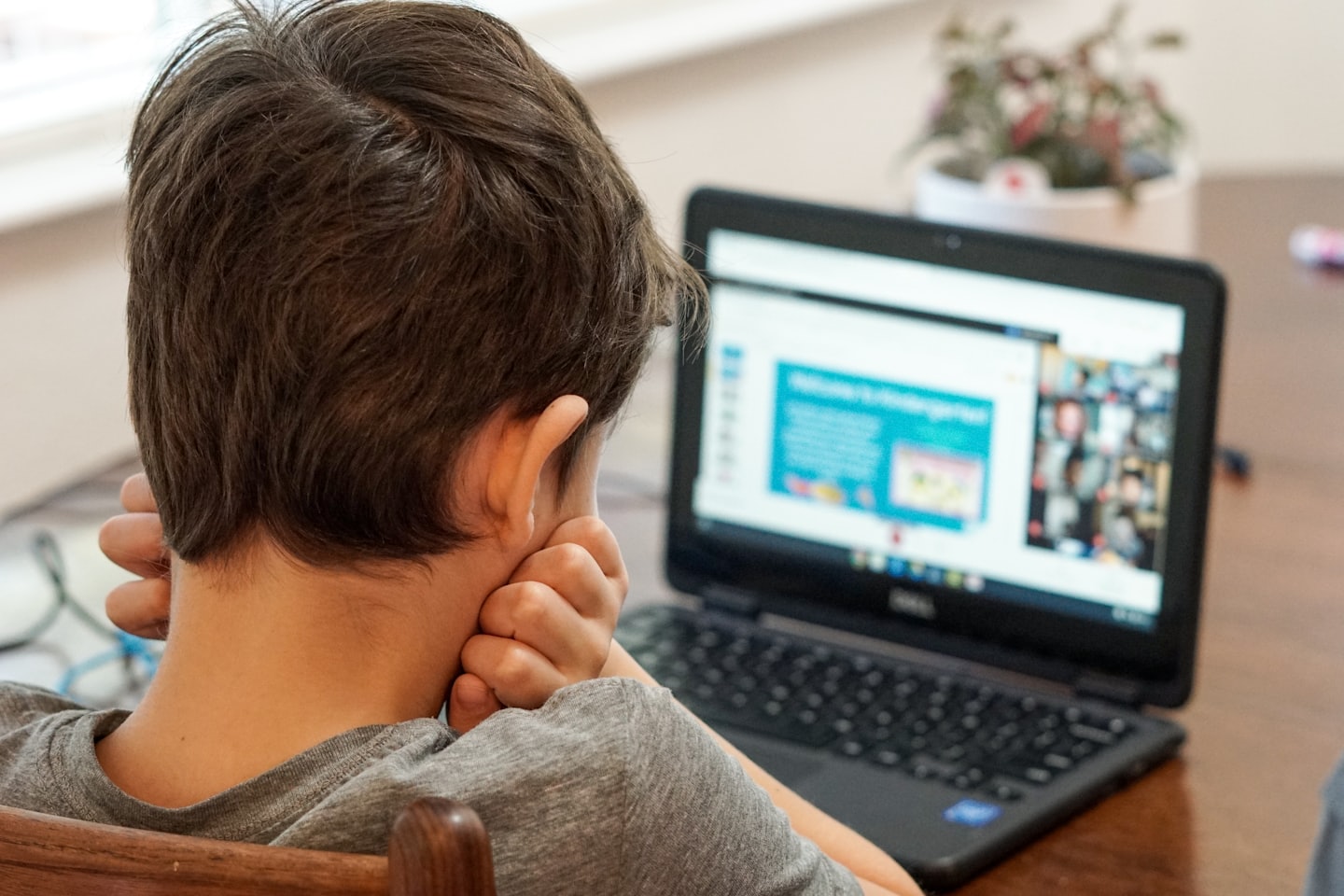
In today’s digital age, education is evolving rapidly, and modern platforms are playing a crucial role in making learning accessible to all, especially neurodiverse learners. Neurodiversity encompasses a range of neurological differences including autism, ADHD, dyslexia, and other cognitive variations. These learners often face unique challenges in traditional educational settings, and it’s essential to create environments that cater to their diverse needs.
Understanding Neurodiversity in Education
Neurodiverse learners process information differently, which means that a one-size-fits-all approach to education is often ineffective. By recognizing the strengths and challenges of these learners, educators and platform developers can design tools and content that foster engagement, understanding, and success.
The Power of Modern Educational Platforms
Modern e-learning platforms offer flexibility and customization that traditional classrooms can’t always provide. Here are some key features that enhance accessibility for neurodiverse learners:
1. Personalized Learning Paths
Adaptive technology allows platforms to tailor content to individual learning styles and paces. Neurodiverse learners benefit from the ability to revisit materials, skip ahead, or explore topics through various modalities such as videos, text, or interactive simulations.
2. Multisensory Content Delivery
Incorporating visual, auditory, and kinesthetic elements helps address different sensory preferences. For example, learners with dyslexia might find audio narration and highlighted text helpful, while those with ADHD may benefit from interactive, game-like features that maintain their focus.
3. Assistive Technologies Integration
Features such as text-to-speech, speech recognition, adjustable font sizes, and color contrast settings empower learners to customize their experience in ways that reduce barriers and increase comprehension.
4. Supportive Community and Communication Tools
Forums, chat functions, and peer support groups create a sense of belonging and encourage collaboration. For many neurodiverse learners, social interaction within a comfortable digital space enhances motivation and learning outcomes.
5. Data-Driven Insights
Educators and learners can track progress through analytics, helping to identify areas of strength and those needing additional support. This feedback loop is vital for continuous improvement and personalized assistance.
Case Study: Success Through Accessibility
Consider a neurodiverse student struggling with traditional reading assignments. Using a modern platform with integrated text-to-speech and interactive quizzes, the student can engage with the material in a way that suits their learning preferences. Over time, this approach not only improves comprehension but also builds confidence and independence.
Moving Forward: Designing for Inclusion
To truly make learning accessible, developers and educators must collaborate closely with neurodiverse individuals to understand their experiences and needs. Regular feedback, inclusive design principles, and ongoing innovation are key to creating platforms that serve everyone equitably.
Conclusion
Modern educational platforms hold immense potential to transform learning for neurodiverse students. By leveraging technology that adapts to diverse cognitive profiles, we can create inclusive environments that celebrate differences and empower all learners to thrive. As we continue to embrace these innovations, the future of education promises to be more accessible, engaging, and supportive for everyone.